
Facilties
Classrooms
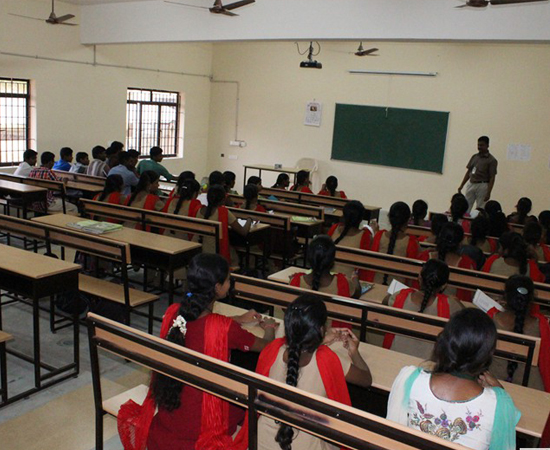
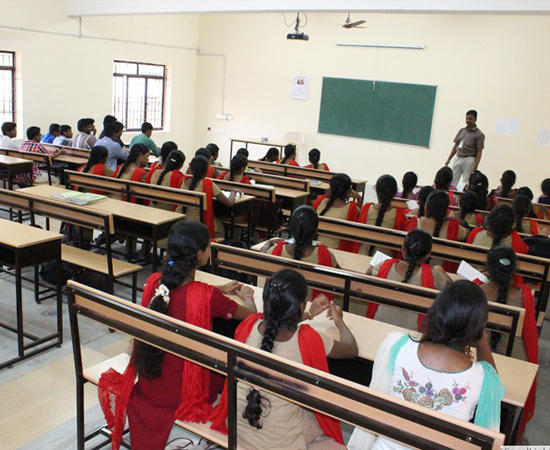
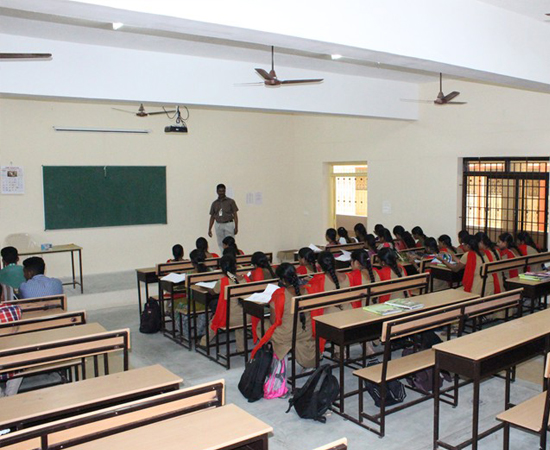
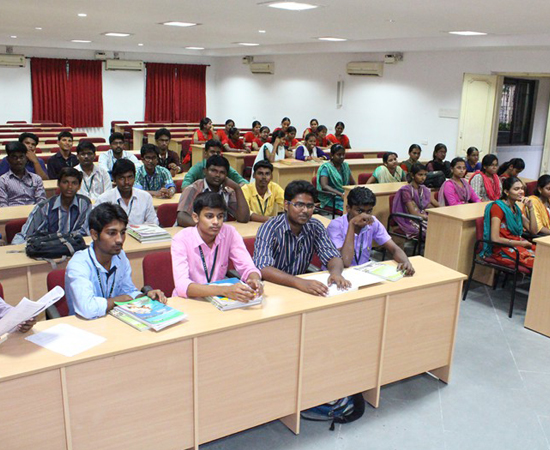
The college offers well-ventilated, spacious, and modern classrooms designed to provide an ideal learning environment. Each classroom is equipped with comfortable seating, adequate lighting, and teaching aids to enhance academic delivery. Digital boards and interactive teaching tools support advanced learning. The atmosphere encourages student participation and collaborative learning. Regular maintenance ensures cleanliness and comfort throughout the academic year.
Audio Visual Lab
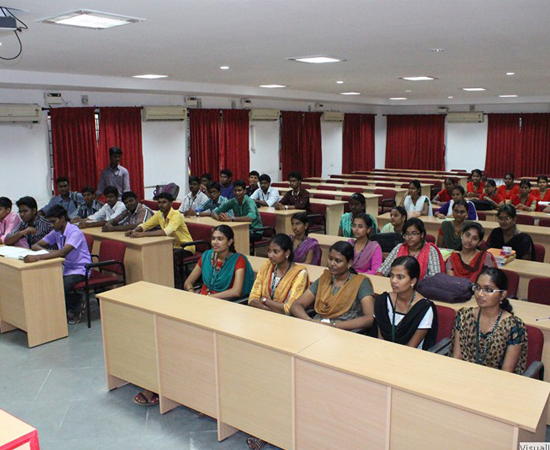
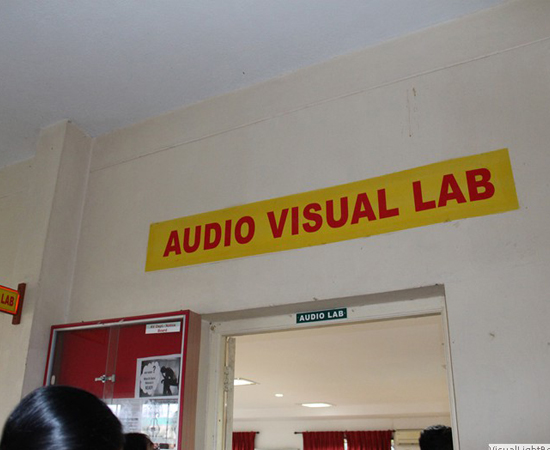
The Audio Visual Lab is equipped with multimedia systems, projectors, audio equipment, and visual display tools for interactive teaching. This facility enables students to learn complex agricultural concepts through animations, documentaries, and digital presentations. Faculty use this lab for seminars, recorded demonstrations, and smart-based teaching. It enhances communication skills, creativity, and digital literacy among students. The lab supports modern educational methodologies for effective learning.
Biotechnology Lab
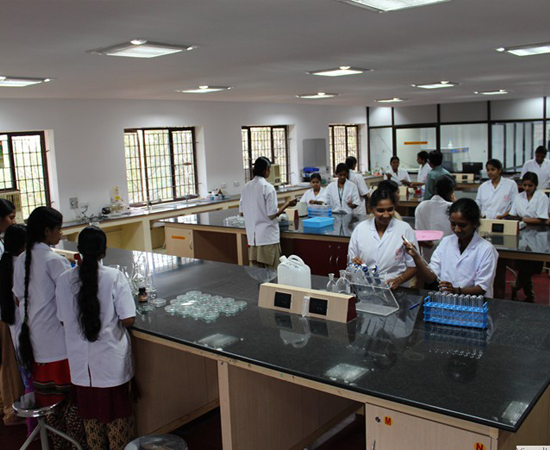
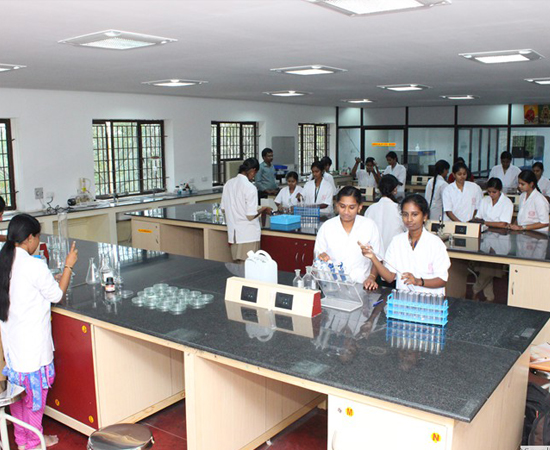
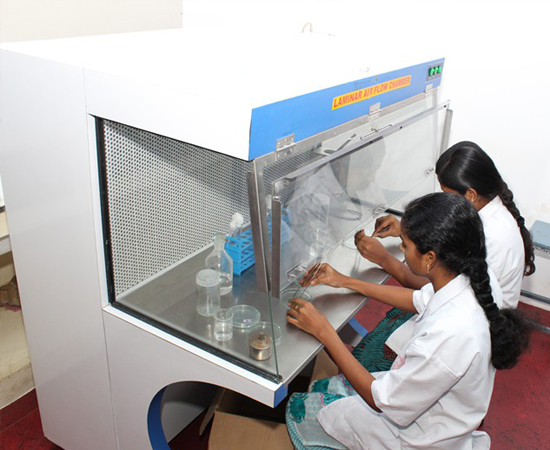
The Biotechnology Lab is equipped with advanced instruments for molecular biology, tissue culture, and microbial studies. Students receive training in DNA extraction, PCR methods, culturing techniques, and biochemical analysis. The lab provides hands-on exposure to emerging biotechnological tools used in crop improvement and disease resistance. Safety protocols are strictly followed to maintain sterile and controlled environments. This laboratory supports research, innovation, and practical learning in modern agricultural biotechnology.
Computer Lab
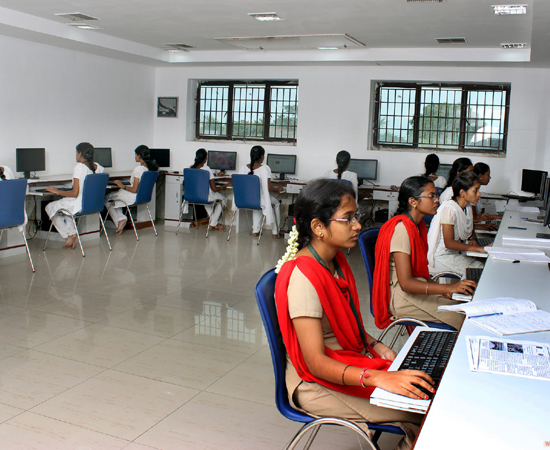
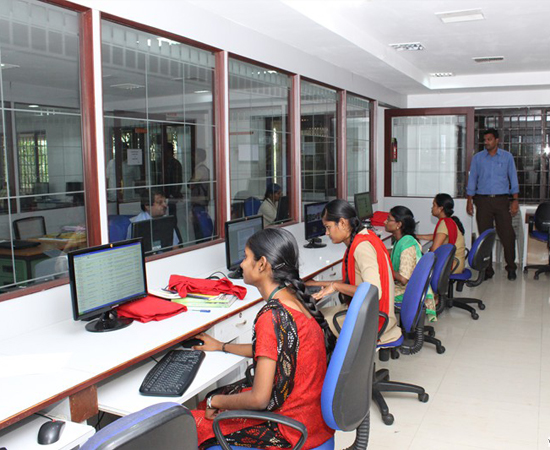
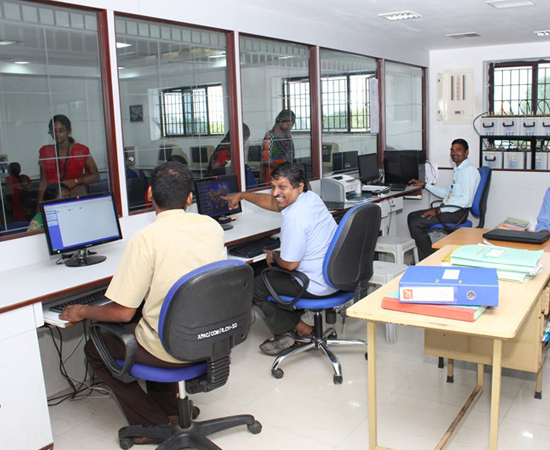
The Computer Lab provides students with access to modern computer systems, high-speed internet, and updated software applications. It enables students to work on data analysis, digital documentation, and farm-related software tools. The lab supports training in ICT, precision farming technologies, and statistical analysis. Faculty conduct computer-based learning sessions, assignments, and demonstrations. The facility strengthens students’ digital competency for today’s technology-driven agricultural sector.
Crop Physiology Lab
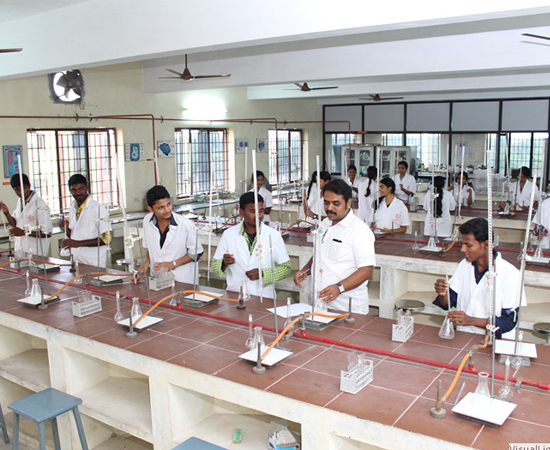
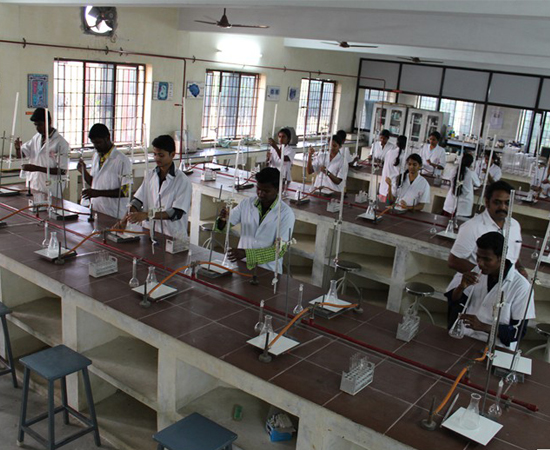
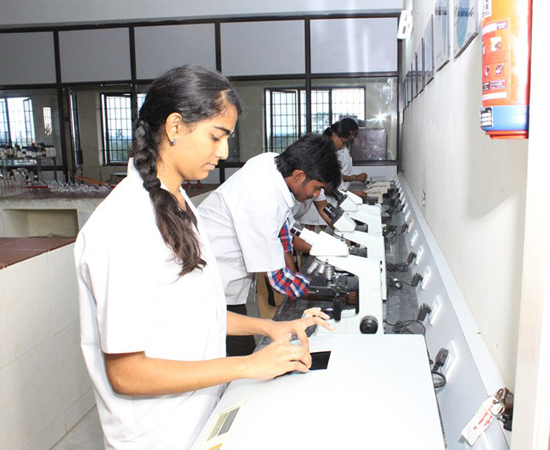
This laboratory helps students understand the physiological processes that govern plant growth and development. It is equipped with instruments to study photosynthesis, transpiration, water relations, and stress responses. Students learn how environmental factors influence crop productivity. Practical sessions include plant tissue analysis and physiological experiments. The lab supports research on climate resilience and crop improvement. It plays a crucial role in connecting theory with practical applications.
Agricultural Entomology Lab
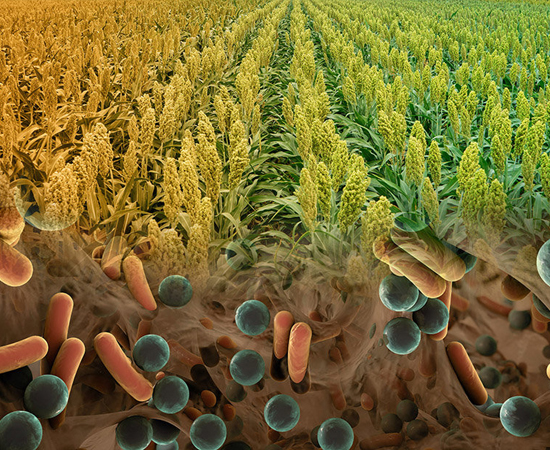
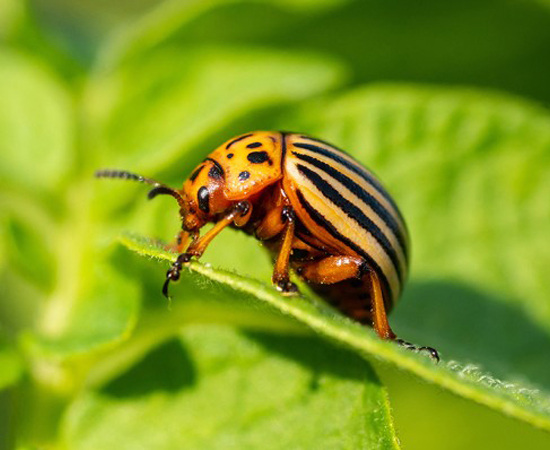
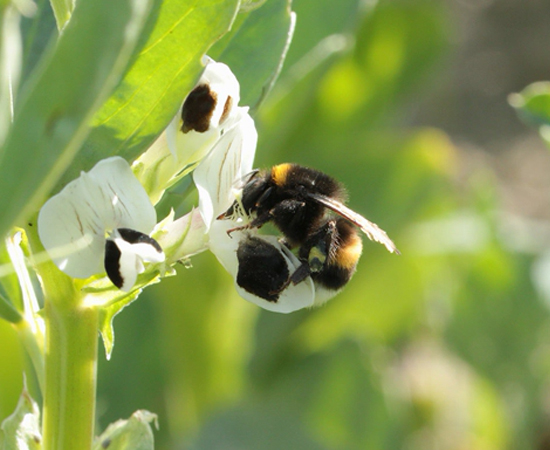
The Agricultural Entomology Lab allows students to identify, classify, and study insects that affect various crops. It includes insect collections, microscopes, rearing chambers, and specimen preparation tools. Students learn pest diagnosis, life cycle analysis, and ecological relationships. Practical training includes integrated pest management (IPM) techniques and biological control methods. The lab contributes to field-based pest management studies and farmer advisory programmes. It strengthens students’ skills in crop protection.
Food Science Lab
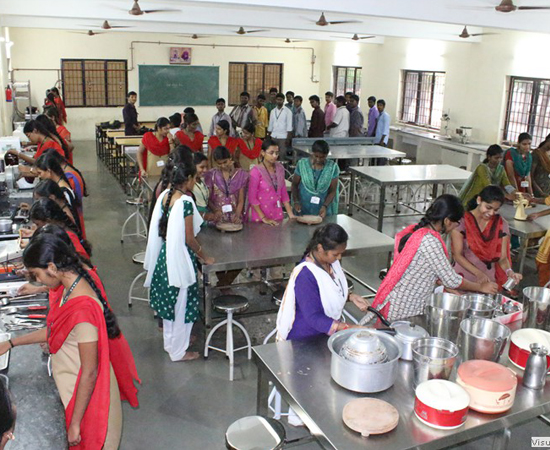
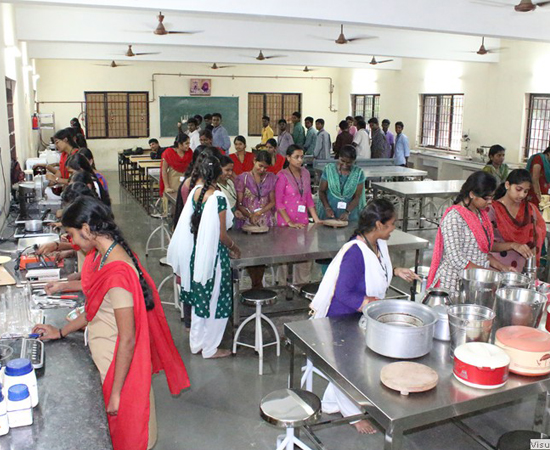
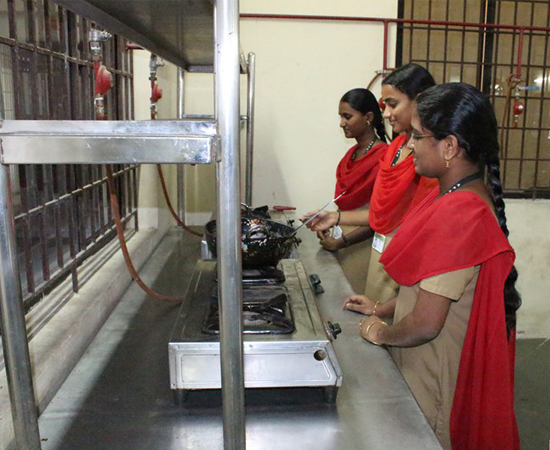
The Food Science Lab focuses on food composition, quality analysis, and processing techniques. Students gain practical knowledge in food preservation, sensory evaluation, and nutritional assessment. Modern equipment supports experiments in food chemistry and product development. The lab encourages creativity in preparing value-added products. Safety and hygiene standards are maintained for all practical sessions. The facility prepares students for roles in food industries and post-harvest technology sectors.
Agricultural Microbiology Lab
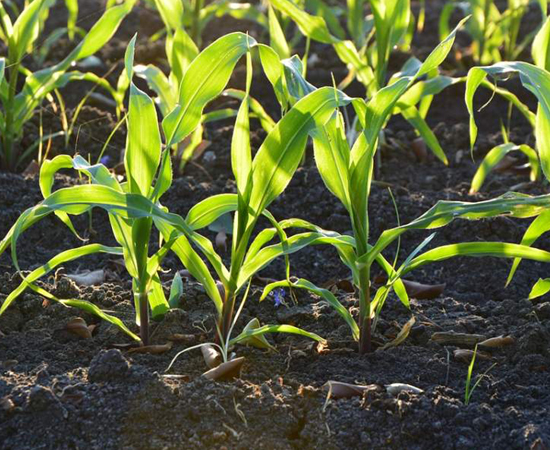

The Agricultural Microbiology Lab trains students to study beneficial and harmful microorganisms related to soil, crops, and the environment. It includes facilities for culturing, isolation, staining, and identifying microbes. Students learn about biofertilizers, biopesticides, nitrogen fixers, and microbial biotechnology. The lab promotes sustainable agriculture through microbial applications. Faculty guide students in conducting experiments that support crop growth and soil health. This facility strengthens research and practical understanding of agricultural microbiology.
Plant Breeding & Genetics Lab
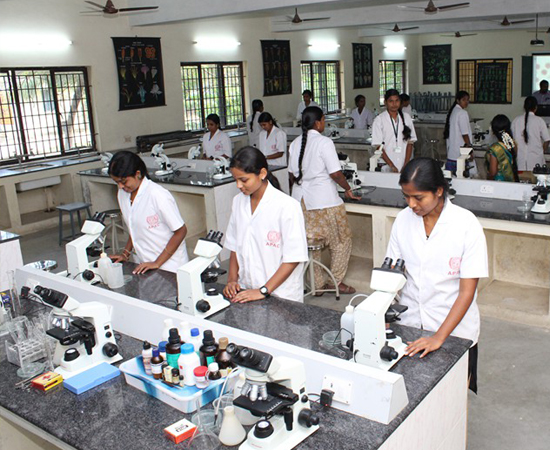
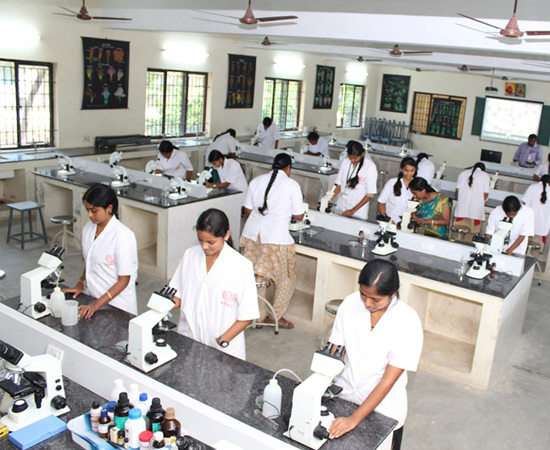
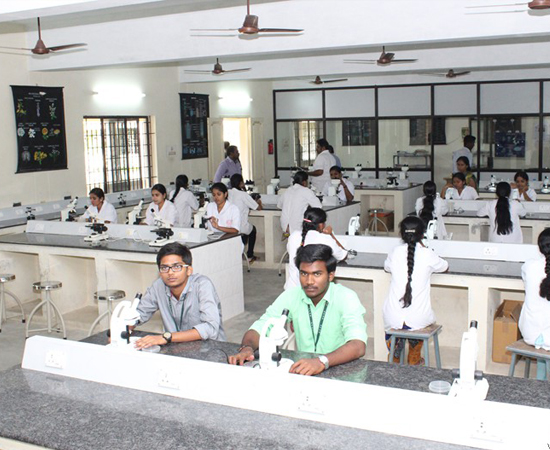
This lab supports the study of crop genetics, hybridisation, and trait inheritance. Students perform experiments related to genetic variation, selection, and controlled breeding. Modern tools help analyse plant characteristics and genetic markers. The lab is used for evaluating breeding lines and developing improved crop varieties. It fosters scientific thinking and innovation in crop improvement programmes. The facility is essential for students specializing in seed science and plant breeding.
Plant Pathology Lab
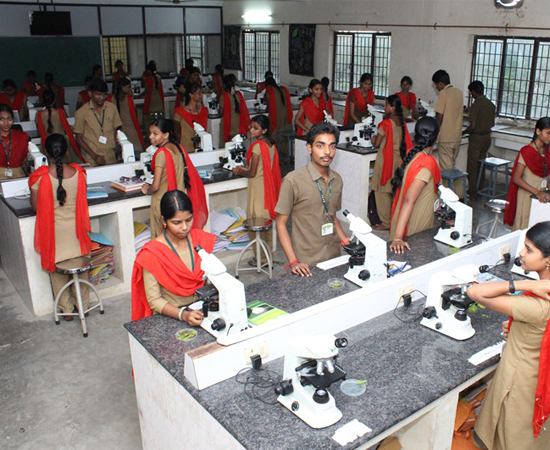
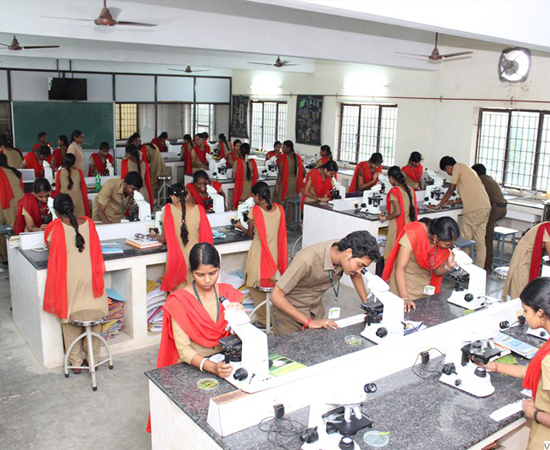
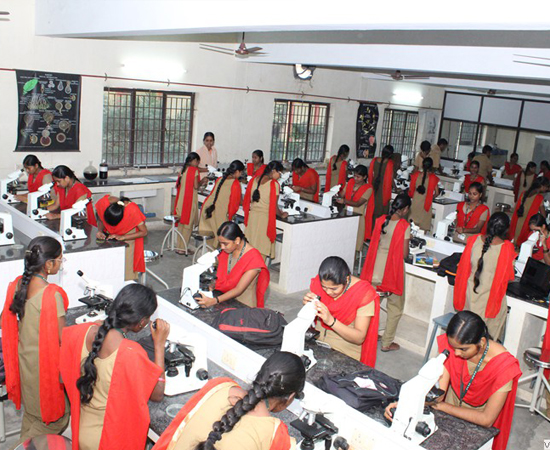
The Plant Pathology Lab is dedicated to diagnosing and studying plant diseases caused by fungi, bacteria, viruses, and nematodes. It includes microscopes, culture media, inoculation chambers, and diagnostic tools. Students learn disease identification, isolation, culturing, and pathogen characterization. Practical sessions focus on Integrated Disease Management (IDM) and eco-friendly control measures. The lab plays a key role in developing plant health solutions and supporting field advisory services. It enhances students’ expertise in crop protection.
Seed Technology Lab
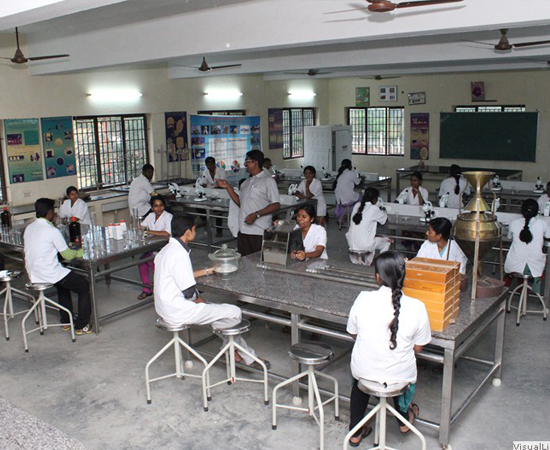
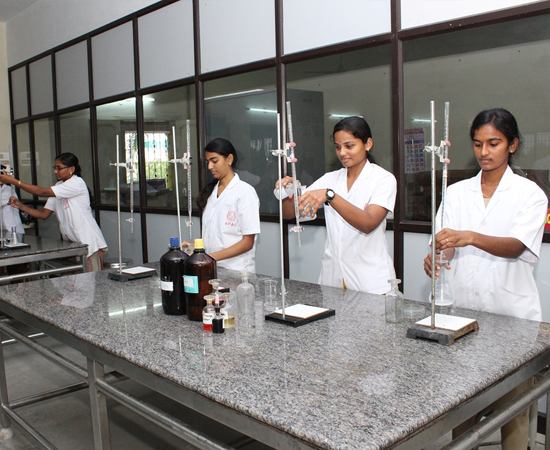
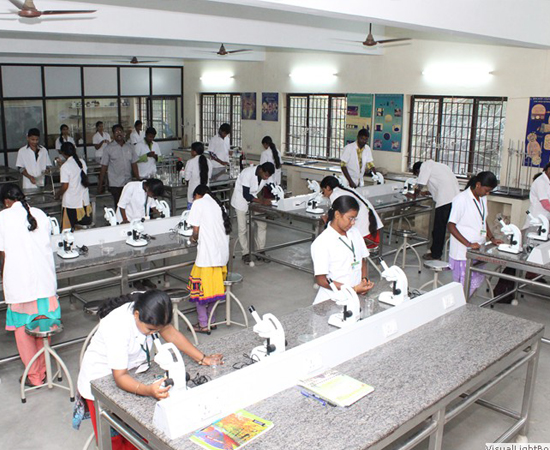
The Seed Technology Lab teaches students about seed quality, viability, germination, and purity analysis. It is equipped with seed testing tools, incubators, germination chambers, and grading equipment. Practical training includes seed sampling, treatment, storage, and certification procedures. The lab ensures students understand industry standards for seed production. Research and hands-on practice prepare students for careers in seed industries. The facility contributes to ensuring genetic purity and high-quality planting material.
Soil Science Lab
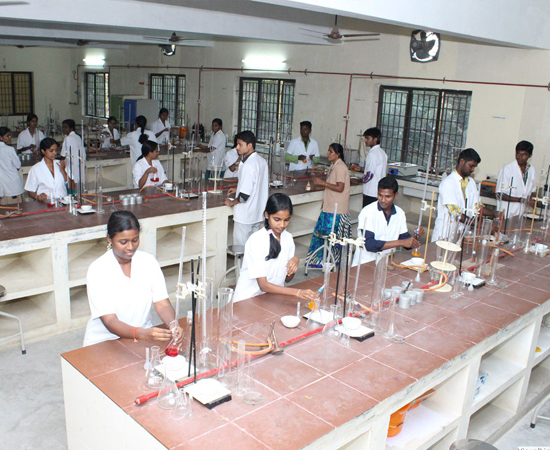
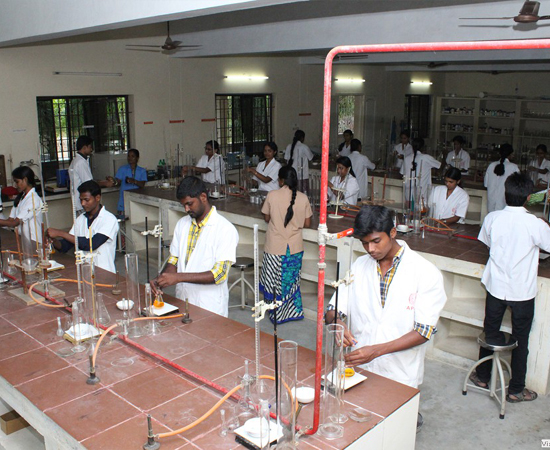
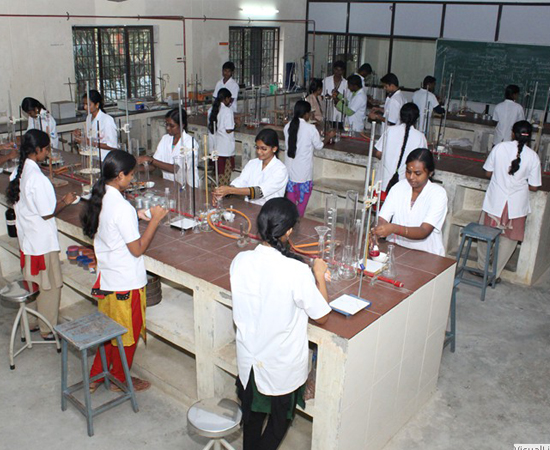
The Soil Science Lab provides facilities for analysing soil properties such as pH, texture, nutrients, and organic matter. Students learn soil sampling, chemical analysis, and interpretation of results. The lab supports research on soil fertility, nutrient management, and land reclamation. Experiments help students understand soil–plant relationships and sustainable land use practices. The facility is essential for guiding precision agriculture and improving soil health. It strengthens scientific decision-making for crop production.
Library
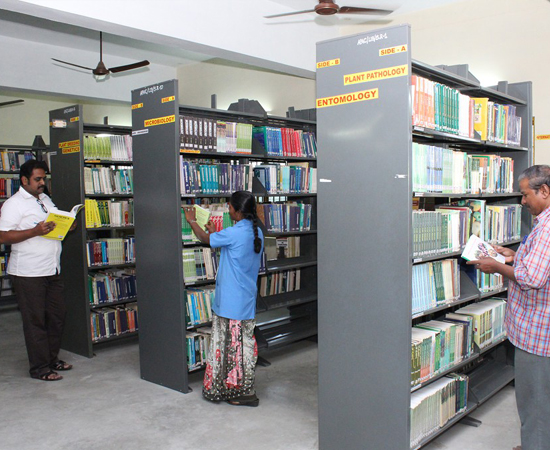
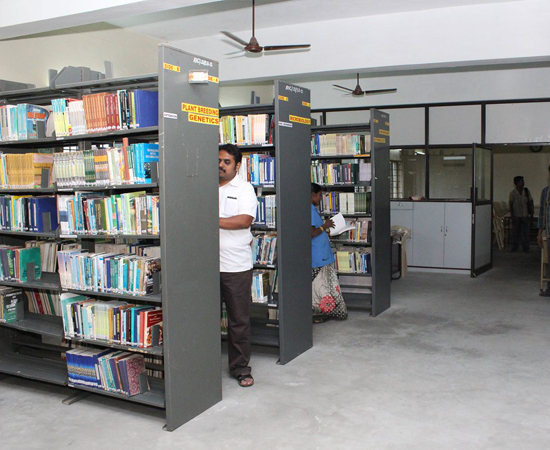
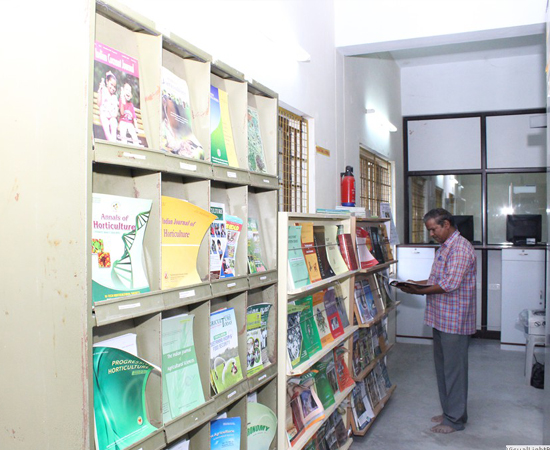
The college library is a spacious, well-organised knowledge centre with a rich collection of books, journals, reference materials, and digital resources. It provides access to agricultural publications, research papers, and e-learning platforms. The library offers a peaceful reading environment with comfortable seating and computer facilities. Students use the library for academic research, assignments, and competitive exam preparation. Regular updates ensure availability of the latest scientific literature. The library fosters a culture of learning and intellectual curiosity.
Farm & Field Units
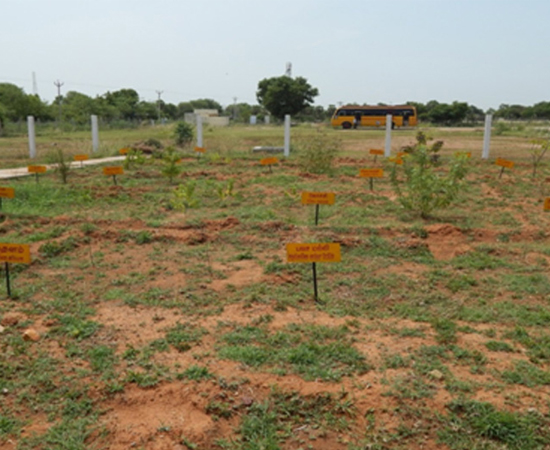
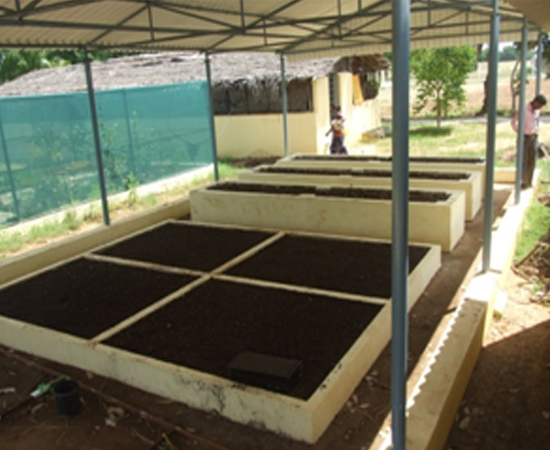
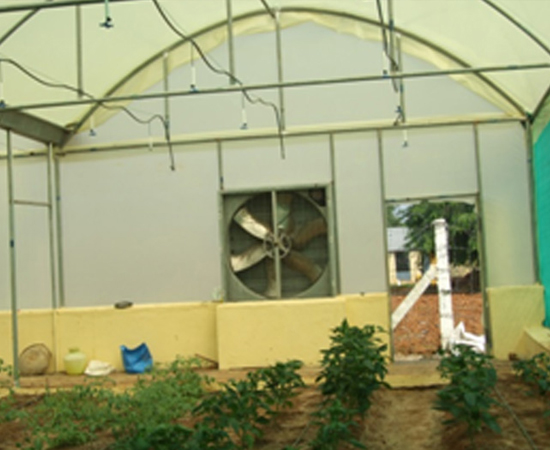
The farm and field units serve as living laboratories where students gain real-time farming experience. These units include crop demonstration plots, seed production areas, irrigation systems, and organic farming sections. Students learn crop cultivation practices, soil management, pest control, and harvesting techniques. Field experiments and practical sessions reinforce classroom learning. The farm also supports research trials, RAWE programmes, and community outreach activities. It prepares students to handle real-world agricultural challenges confidently.
Sports & Physical Education
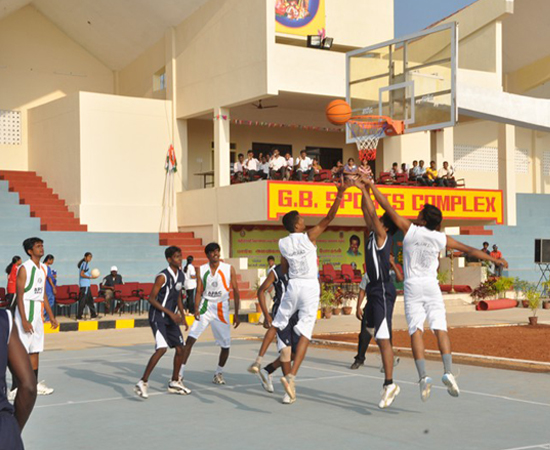
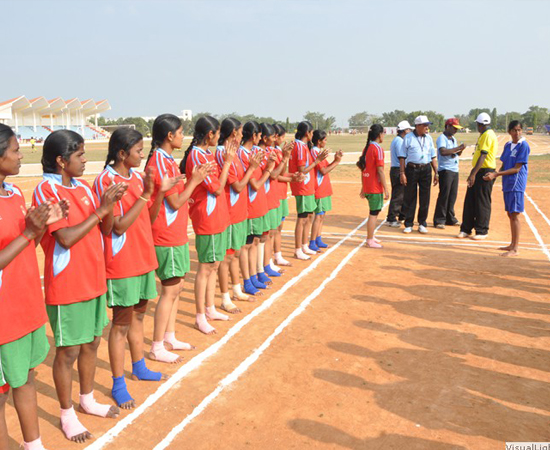
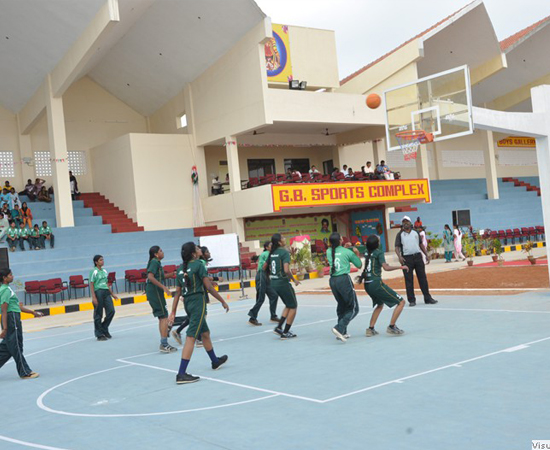
The college offers well-maintained sports facilities that promote physical fitness, teamwork, and overall well-being. Students participate in both indoor and outdoor games including volleyball, football, cricket, athletics, and yoga. Physical education instructors guide students through regular training sessions and competitions. The sports environment encourages leadership, discipline, and a healthy lifestyle. Facilities are available for recreational activities and intercollegiate sports events. The college believes in holistic development through sports and academics.
Study, Spirituality & Service
The core guiding principles of the institution rest on a meaningful triad: